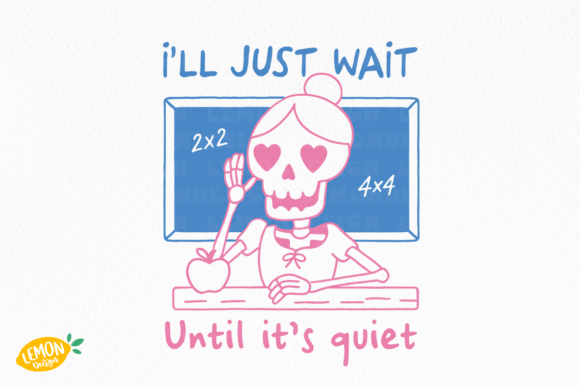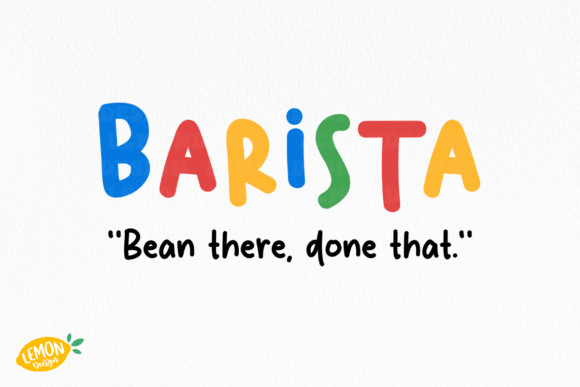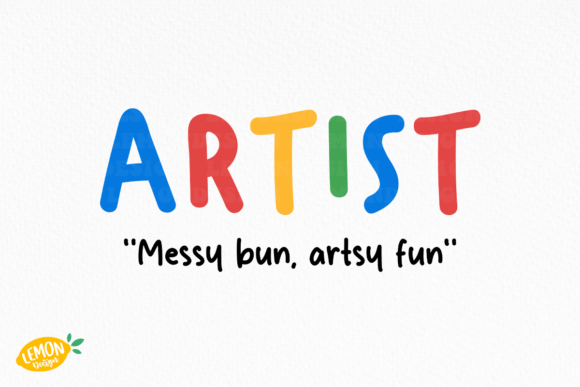
Funny Artist Quote SVG Design: Graphics for Crafts & Creative Blogs
As a blog designer who’s built over 200 editorial websites—and shipped more than 1,200 digital guides, lead magnets, and newsletter graphics—I opened the Funny Artist Quote SVG Design ZIP folder with quiet curiosity. Not hype. Not hope. Just the practiced eye of someone who knows how a single graphic design asset can lift or sink an entire content campaign.
First impression? Playful, warm, and intentionally unpolished—like a hand-sketched doodle that landed in a modern design system. It leans into lighthearted artistic energy without tipping into clutter or kitsch. That balance matters. Readers scanning a blog sidebar or Pinterest feed don’t pause for nuance—they register mood in under two seconds. This design signals “creative but credible,” which makes it ideal for lifestyle blogs, art educators, small business branding resources, online courses on illustration, and affiliate content around craft supplies or design tools.
It’s not corporate. It’s not minimalist. It’s not seasonal—but it *feels* like spring studio light or a cozy sketchbook corner. That specificity gives it strong editorial resonance. When paired with a headline like “5 Mistakes Every New Illustrator Makes” or “How to Price Your Hand-Lettering Work,” the Funny Artist Quote SVG Design adds tonal clarity before a single word is read.
Where This Graphic Design Asset Earns Its Keep in Real Publishing Workflows
You’ll use this across your full content stack—not as decoration, but as functional editorial design:
- Blog featured images: Scales beautifully from desktop hero to mobile thumbnail when layered over soft gradients or muted textures.
- Pinterest pins: The 4000 x 4000 PNG (300 dpi, transparent background) delivers crisp detail even when cropped to vertical 2:3 ratios.
- Digital guides & lead magnets: Drop the SVG directly into Canva templates or Adobe InDesign layouts—no pixelation, no rework.
- Newsletter headers: Works especially well above short-form tips or creative prompts—adds visual rhythm without competing with body text.
- Downloadable printables: The EPS and DXF files mean you can adapt it for laser-cut quote cards, vinyl decals, or embroidery patterns—extending its value beyond screen use.
- Social media graphics: Use the SVG to build animated Instagram carousels or static LinkedIn posts that stand out in algorithm-heavy feeds.
Why It Strengthens Content Performance—Not Just Aesthetics
This isn’t just about looking nice. It’s about performance levers you control:
- Stronger first impression: Visuals set tone faster than headlines. This design tells readers, “You’re in a space that values creativity *and* clarity.”
- Better click-through potential: On Pinterest or email subject lines, contrast + personality = attention. The bold line work and expressive typography hold up even at small sizes.
- More consistent branding: When reused across blog graphics, digital product covers, and social banners, it becomes a subtle signature—reinforcing your brand identity without needing a logo lockup.
- Improved reader trust: High-res, professionally structured files (SVG, EPS, PNG, DXF) signal intentionality. Readers subconsciously associate file quality with content quality.
- Stronger visual hierarchy: Its balanced negative space and clear focal point make it easy to overlay clean headline text—no fighting for dominance.
Where It Shines—and Where to Pause
Use it boldly in: Hero sections, article thumbnails, Pinterest pins, blog graphics for “creative process” posts, editorial accents in digital guides, content upgrades like printable quote cards, category visuals for “Art Tips” or “Creative Business,” and newsletter headers tied to creative confidence or workflow themes.
Use it carefully in: Mobile-first thumbnail grids where fine details blur, text-dense infographics where it might compete visually, low-contrast backgrounds (test readability!), busy layout contexts like multi-column resource roundups, or serious professional niches—think legal tech or B2B SaaS—where playful tone misaligns with audience expectation.
Practical Publisher Notes You’ll Want to Bookmark
Before dropping Funny Artist Quote SVG Design into production:
- Test it on both desktop and mobile previews—not just as a standalone image, but inside your actual blog layout (e.g., alongside your default headline font and sidebar widgets).
- Check how it renders as a 150×150 thumbnail. Does the core quote remain legible? Does the mood survive compression?
- Preview it with real headline text: try serif (Georgia), sans serif (Inter), script (Dancing Script), handwritten (Caveat), and display (Bebas Neue). Note where contrast holds—and where it fades.
- Run a black-and-white test. If the design loses all impact without color, plan for intentional background pairing.
- Review file size: the PNG is high-res but large—compress it with Squoosh or ShortPixel before uploading to WordPress. SVG stays lightweight by nature—use it for web headers and interactive elements.
- Confirm commercial license terms. This is essential for monetized sites, affiliate marketing pages, paid digital products, and client-facing creative marketplace listings.
The package delivers what it promises: one versatile SVG, one ultra-high-res PNG (4000 × 4000 px, 300 dpi, transparent background), plus EPS and DXF files for extended creative use—all neatly organized in a single ZIP. No hidden layers. No missing fonts. No licensing ambiguity. Just a ready-to-deploy graphic design asset that supports real content marketing goals.
For bloggers building authority in creative education, small business owners launching digital guides, newsletter creators refining their visual voice, or designers curating Canva templates for fellow creatives—this isn’t filler. It’s functional editorial design. It helps your content feel human, intentional, and unmistakably yours.
That’s the quiet power of a well-chosen Funny Artist Quote SVG Design: it doesn’t shout. But when placed right—in the header of a digital guide, the thumbnail of a viral Pinterest pin, or the corner of a downloadable worksheet—it earns attention, builds recognition, and quietly reinforces why readers keep coming back.